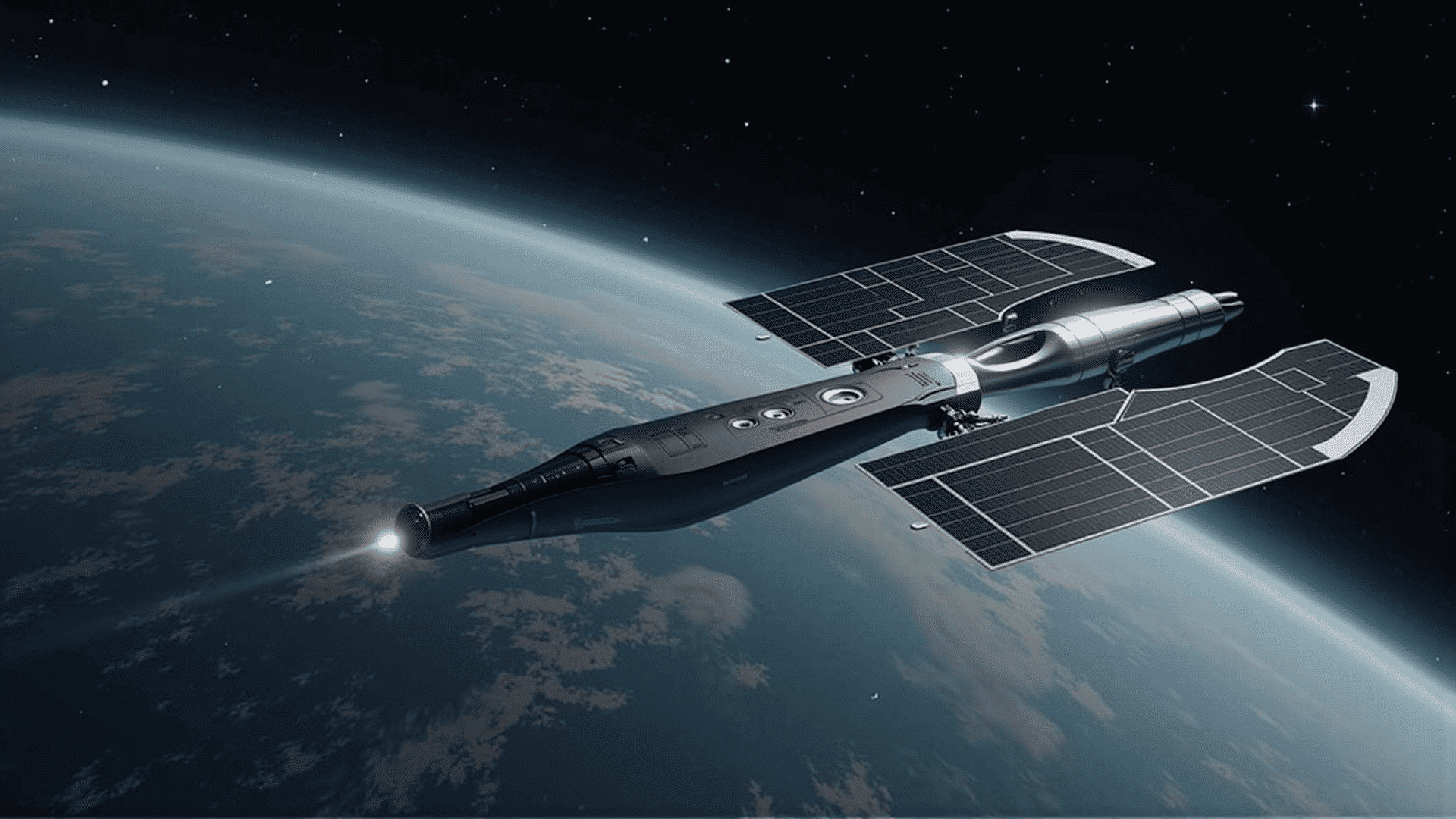
In recent years, the quest for sustainable and environmentally friendly energy solutions has extended beyond Earth, reaching the frontiers of space exploration. As we venture deeper into the cosmos, the integration of renewable energy technologies is set to play a crucial role in powering future space missions, offering a plethora of benefits such as reducing the environmental impact and enhancing the sustainability of space endeavors.
Traditionally, space missions have relied heavily on chemical propulsion and nuclear-powered systems, which pose significant environmental risks and long-term sustainability challenges. In contrast, renewable energy sources such as solar and potentially wind and other novel technologies promise cleaner, more sustainable alternatives that align with our global commitment to reducing carbon footprints.
Solar Power: The Vanguard of Space-Based Renewable Energy
Solar power remains the most practical and widely utilized renewable energy source in space exploration today. Space missions have long harnessed solar energy through photovoltaic panels that convert sunlight into electrical power. The International Space Station (ISS) and numerous satellites orbiting Earth exemplify the successful implementation of solar technology, using expansive arrays to power onboard systems.
The advantages of solar power are particularly pronounced in the near-Earth environment, where sunlight is abundant and predictable. As missions venture into more distant and shadowed regions, such as deep space or the lunar surface, innovations like solar concentrators and advanced photovoltaic materials with higher energy conversion efficiencies become critical.
Lunar and Martian Renewable Energy Prospects
As humanity sets its sights on more distant locales, such as the Moon and Mars, the development of robust renewable energy solutions becomes increasingly vital. The Moon offers exciting prospects for solar energy due to the presence of near-continuous daylight in polar regions. Proposed concepts involve leveraging the lunar regolith to construct vast solar farms that could provide uninterrupted power to lunar bases.
Mars presents unique challenges with its dusty atmosphere and longer nights. Nevertheless, recent advancements in solar panel technology, such as dust-resistant coatings and augmented reality for monitoring panel efficiency, boost the promise of solar power on the Red Planet.
Beyond Solar: Other Renewable Technologies on the Horizon
While solar power is the frontrunner, scientists and engineers are exploring other renewable energy possibilities to diversify power sources for space missions. Wind energy, although impractical in the vacuum of space, could be harnessed on planets with atmospheres like Mars, where fierce winds could drive specially designed wind turbines.
Moreover, the promising field of bioenergy utilization in space exploration is gaining traction. This involves employing bioengineered organisms to produce fuels through processes like photosynthesis or waste recycling, offering a closed-loop energy cycle that could support long-duration missions and habitats.
Energy Storage Solutions: Bridging Gaps and Ensuring Continuity
The intermittent nature of renewable energy sources, particularly solar, necessitates the development of advanced energy storage solutions to ensure a consistent power supply. Innovations such as fuel cells, advanced lithium-ion batteries, and supercapacitors are under development to meet the unique demands of space exploration — balancing efficiency, resilience, and weight constraints.
Interstellar Implications: Renewable Energy for the Long Haul
As we inch closer to interstellar travel, renewable energy may prove indispensable in creating self-sustaining missions. Concepts like solar sails, leveraging light pressure for propulsion, and harnessing starlight through advanced photovoltaic technology could revolutionize deep-space exploration, minimizing the reliance on finite fuel supplies and ensuring long-term sustainability.
In conclusion, as space agencies and private companies ramp up efforts to explore and inhabit new cosmic frontiers, renewable energy technologies offer compelling solutions to power these ambitious endeavors sustainably. By tapping into the boundless energy of our universe through innovative approaches, we not only ensure the success of future missions but also exemplify our dedication to preserving and respecting the environments we explore. The marriage of space exploration and renewable energy signifies a pivotal step towards a brighter, more sustainable cosmic future.